The Complete Guide to Building Billion-Dollar Wealth in the Manufacturing Industry

From Small Production to Global Industrial Empire

Manufacturing is the process of turning raw materials into products at scale. It sits at the core of global economies — supplying goods to every industry. Those who control production systems, supply chains, and distribution can build extremely large, scalable businesses.

Why Manufacturing Builds Billionaires

Manufacturing is one of the most essential and scalable industries in the world. Every physical product used globally passes through a manufacturing system. From consumer goods to industrial equipment, manufacturing is the backbone of commerce.

Those who control production systems, optimize efficiency, and scale operations can build massive, durable fortunes. Manufacturing businesses generate recurring revenue, create barriers to entry through capital and expertise, and compound wealth through reinvestment and expansion.

This guide explains how wealth is built in manufacturing — step by step, from first product to global industrial empire.

Understanding the Industry

The Core Definition

Manufacturing involves designing, producing, and delivering physical products efficiently and consistently. It is not just production—it is systems, efficiency, and scale.

Key Components

Key Insight: Manufacturing is not just production—it is systems, efficiency, and scale. The most profitable manufacturers control every step and eliminate waste.

From Raw Material to Finished Product
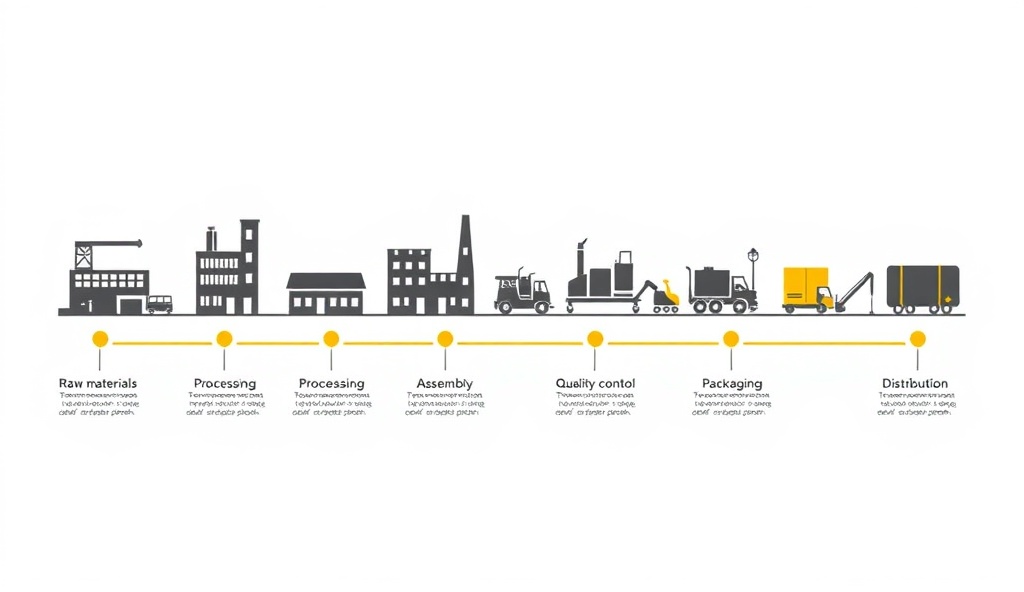
Manufacturing Value Chain Diagram

Breaking Down Each Stage

Key Lesson: Each stage presents opportunities for profit and control. The biggest manufacturers own or control multiple stages.
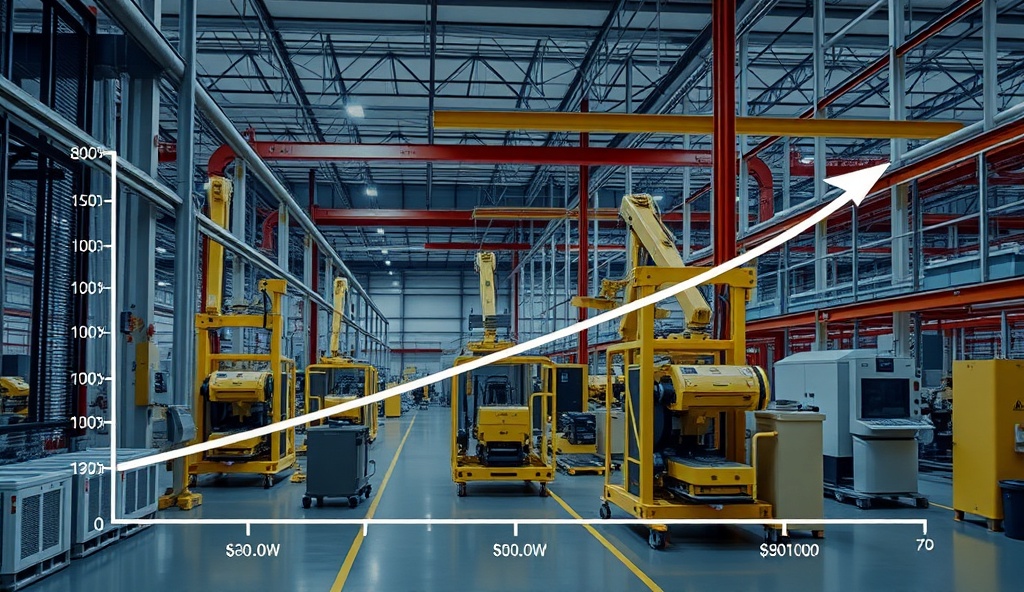
Profit Drivers in Manufacturing

Production Efficiency

Reducing waste, minimizing downtime, and optimizing labor creates higher margins per unit produced.

Cost Control

Negotiating better material costs, reducing overhead, and automating processes improves profitability.

Volume Scaling

Increasing production volume spreads fixed costs across more units, dramatically improving margins.

Supply Chain Optimization

Controlling procurement, logistics, and distribution networks reduces costs and increases speed.

Brand Power

Strong brands command premium pricing and customer loyalty, improving margins significantly.

Distribution Control

Owning distribution channels ensures market access and captures additional margin layers.

Key Insight: Margins improve as efficiency + scale increase. The biggest manufacturers squeeze out waste at every step.

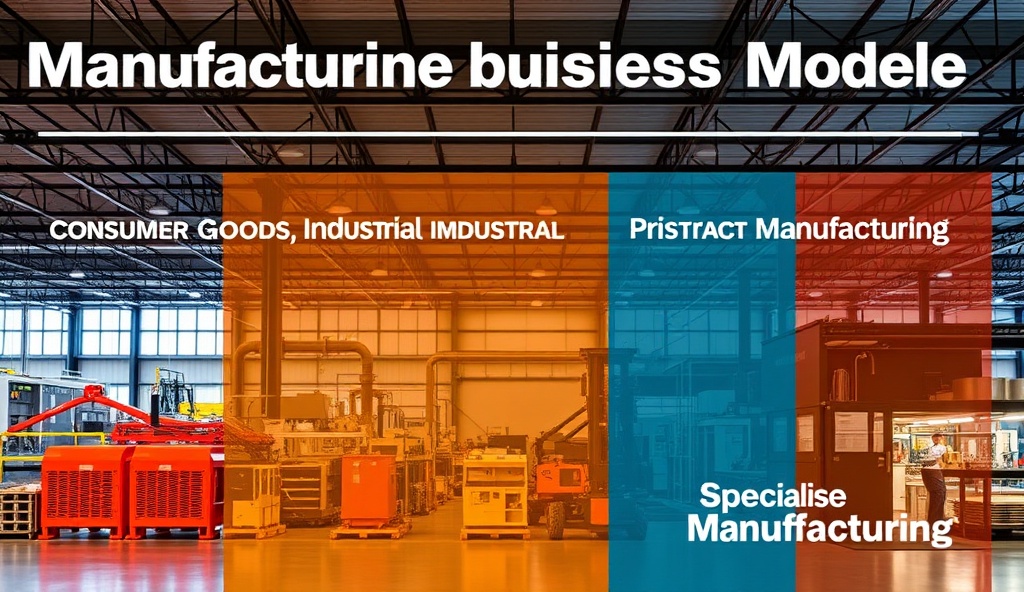
Different Manufacturing Business Models

Manufacturing Business Models

Consumer Goods Manufacturing

Clothing, food, electronics. Direct consumer demand, scalable distribution, high volume.

Industrial Manufacturing

Machinery, equipment, components. B2B focus, long-term contracts, technical expertise required.

Contract Manufacturing

Producing for other brands. Lower risk, recurring revenue, potential for scale.

Private Label Production

Manufacturing your own branded products. Higher margins, brand control, more investment required.

Specialized Manufacturing

Niche or high-tech production. Higher margins, defensible positions, expertise barriers.

Entry Strategy (Step-by-Step)

Step 1 — Understand Products & Demand

Step 2 — Start Small

Step 3 — Build Volume

Step 4 — Move Into Production Control

Step 5 — Scale Operations

Step 6 — Control Supply Chain

Step 7 — Build Industrial Systems

Different Ways to Enter Manufacturing

Low Capital (R5K – R100K)

  • Product reselling and arbitrage
  • Private label with outsourced production
  • Small batch production

Medium Capital (R100K – R5M)

  • Small factories and equipment
  • Contract manufacturing operations
  • Regional production capacity

High Capital (R5M+)

  • Large-scale manufacturing plants
  • Industrial production systems
  • Integrated vertical systems

How Manufacturing Businesses Scale

Production Efficiency and Scaling

The Scaling Formula

Key Lesson: Scale comes from efficiency + volume, not just demand. The most valuable manufacturers are the most efficient.

Why Owning Production Matters

Higher Margins

Owning production eliminates middlemen and captures the full value chain.

Quality Control

Direct control over standards, consistency, and brand reputation.

Supply Chain Security

Insulates your business from supplier disruptions and price shocks.

Competitive Advantage

Proprietary processes, faster innovation, and barriers to entry.

Key Insight: Ownership creates pricing power, margin control, and long-term competitive advantage.

The Future of Manufacturing

Manufacturing Technology Evolution

Modern Manufacturing Technology

The future of manufacturing belongs to those who embrace technology and build intelligent systems. Automation is not optional—it's essential for long-term competitiveness and profitability.

Local Market Insight

Manufacturing in South Africa

South Africa has significant untapped manufacturing potential. Local entrepreneurs can build large businesses by identifying import gaps, establishing quality production, and building distribution networks across Africa.

Supply Chain as Competitive Advantage

Supply Chain Network Diagram

Building Supply Chain Dominance

Key Insight: Supply chain control is as valuable as production. Those who own the complete system win.

How the Biggest Manufacturers Win

Deploying Capital in Manufacturing

Equipment & Machinery

Invest in production equipment that improves efficiency and output.

Production Systems

Build integrated systems that optimize workflow and quality.

Cost Tracking

Obsess over cost per unit and continuously drive improvements.

Capacity Expansion

Reinvest profits into larger factories and higher output.

Key Principle: Every capital deployment must improve efficiency, reduce costs, or expand capacity.

The Operational Challenges

Be Honest About the Challenges

Key Reality: Manufacturing is capital-intensive and operationally complex. Success requires discipline, expertise, and patience.

Responsible Manufacturing

Worker Safety

Safe working conditions, fair compensation, and employee development.

Environmental Impact

Minimize pollution, waste, and environmental damage from operations.

Quality Standards

Maintain consistent quality and honest product representations.

Regulatory Compliance

Follow all laws, safety standards, and industry regulations.

Long-term manufacturing success depends on trust. Cutting corners on ethics creates liability, loses customers, and destroys reputation.

Wealth Comes From Scale, Efficiency, and Control

The most successful manufacturers build systems that produce consistently at scale, with controlled costs and strong distribution. They don't compete on individual transactions—they compete on operating systems.

A manufacturer with 10,000 units daily at $1 profit each generates $10,000 per day. Scale matters more than individual unit margins. Those who build scalable systems, then optimize them relentlessly, build the largest manufacturing fortunes.

The Principle: Manufacturing wealth is built through systems, scale, and discipline — not innovation alone.

Key Takeaways

Ready to Explore Other Industries?

Manufacturing is one path to billion-dollar wealth. Explore other industries and find the opportunity that aligns with your vision.

Explore All Guides Get in Touch