The Complete Guide to Building Billion-Dollar Wealth in the Healthcare Industry
From Small Medical Services to Global Healthcare Systems
Healthcare is one of the largest and most essential industries in the world. Every population depends on medical services, pharmaceuticals, and health systems. Because demand is constant and critical, this industry offers long-term, scalable wealth opportunities—but requires strict compliance and responsibility.
Healthcare is unique among industries. Demand is not discretionary—it is essential and continuous. Every person requires healthcare throughout their lifetime, creating consistent, predictable revenue streams for well-operated healthcare businesses.
The largest healthcare fortunes are built through systems, scale, and integration. Unlike industries dependent on trends or consumer preferences, healthcare demand grows with population, aging, and improved access to services.
This industry creates billionaires through:
- Constant, essential demand (healthcare is non-negotiable)
- Recurring revenue from patients and insurance relationships
- Multiple revenue streams (services, pharmaceuticals, devices, insurance)
- Scalable systems that replicate across locations
- High barriers to entry (licensing, compliance, capital)
- Long-term patient relationships and data assets
Healthcare operates through a structured value chain. Understanding each step is essential to building profitable operations:
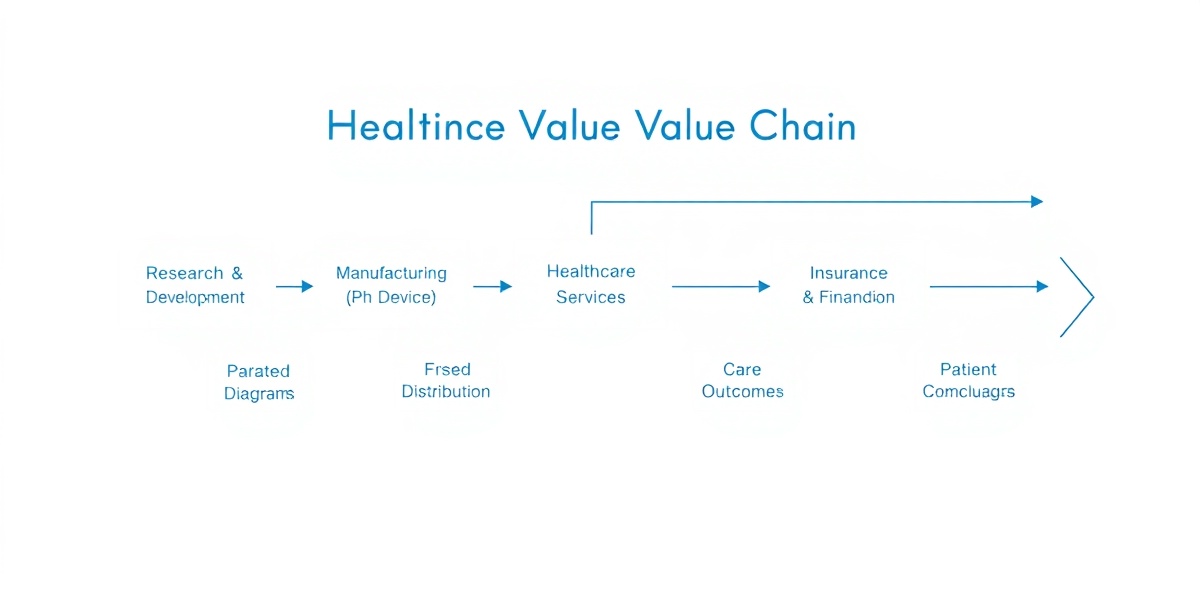
The Six Core Components:
- Research & Development: Drug and device innovation creates the foundation for pharmaceutical and medical device companies
- Manufacturing: Production of pharmaceuticals, medical devices, and diagnostic equipment at scale
- Healthcare Services: Delivery of care through clinics, hospitals, diagnostics, and specialty services
- Insurance & Financing: Health insurance and financial systems that pay for care
- Distribution: Pharmacies, medical supply distribution, and healthcare logistics
- Patient Care & Outcomes: Direct care delivery and patient relationships that drive loyalty and revenue
Goal: Understand the mechanics behind healthcare delivery. The most successful healthcare businesses own multiple points in the value chain.
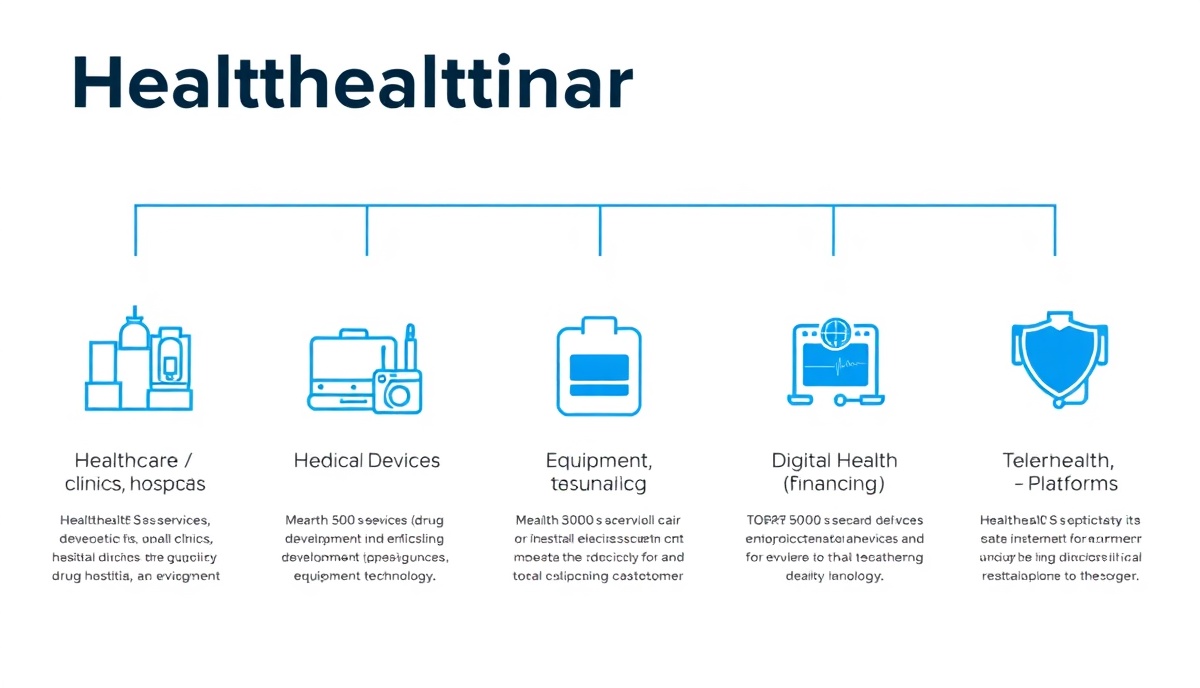
Healthcare Services
Clinics, hospitals, diagnostic centers, and specialist practices. Direct patient care delivery creates recurring revenue and long-term relationships.
Pharmaceuticals
Drug development, manufacturing, and distribution. High profit margins but requires significant R&D investment and regulatory approval timelines.
Medical Devices
Equipment, diagnostic tools, and medical technology. Critical to healthcare delivery and offers recurring revenue through upgrades and maintenance.
Health Insurance
Insurance platforms and financing systems. Provides essential funding for healthcare and creates recurring premium revenue.
Digital Health
Telemedicine, health apps, and digital platforms. Low capital requirements with high scalability potential globally.
Service Fees
Direct payments from patients and insurance for consultations, procedures, and treatments.
Insurance Reimbursements
Predictable revenue from insurance companies for covered services. Enables scale through systematic patient volume.
Product Sales
Recurring revenue from pharmaceuticals, medical devices, and diagnostic products.
Long-Term Relationships
Patient retention creates lifetime value and recurring revenue from chronic disease management.
Scalable Systems
Standardized care delivery enables replication across locations with consistent margins.
Data Assets
Patient data and health outcomes create valuable assets for research, insurance optimization, and decision-making.
Key insight: The largest healthcare fortunes come from systems, scale, and recurring demand.
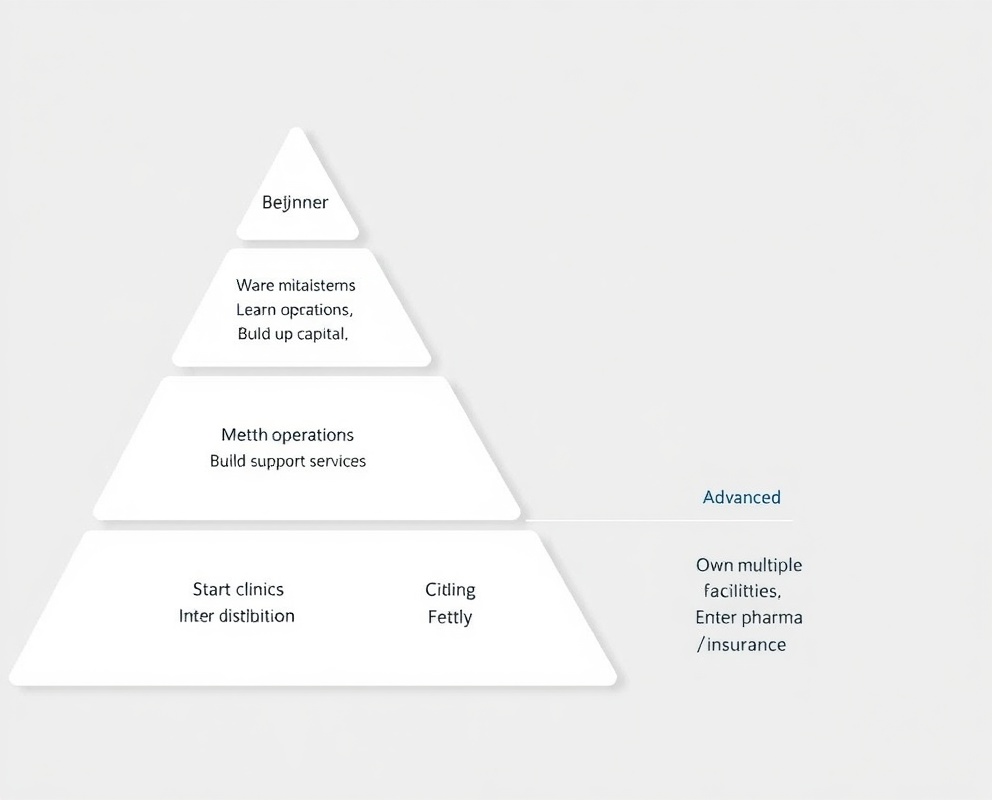
Beginner Level
- Work in healthcare systems (learn operations and patient flow)
- Understand compliance, regulations, and quality standards
- Build capital and industry relationships
Intermediate Level
- Start small clinics or medical practices
- Enter medical supply distribution or pharmaceutical sales
- Build healthcare support services (billing, compliance, staffing)
Advanced Level
- Own multiple healthcare facilities
- Build healthcare networks and hospital groups
- Enter pharmaceuticals, medical devices, or insurance
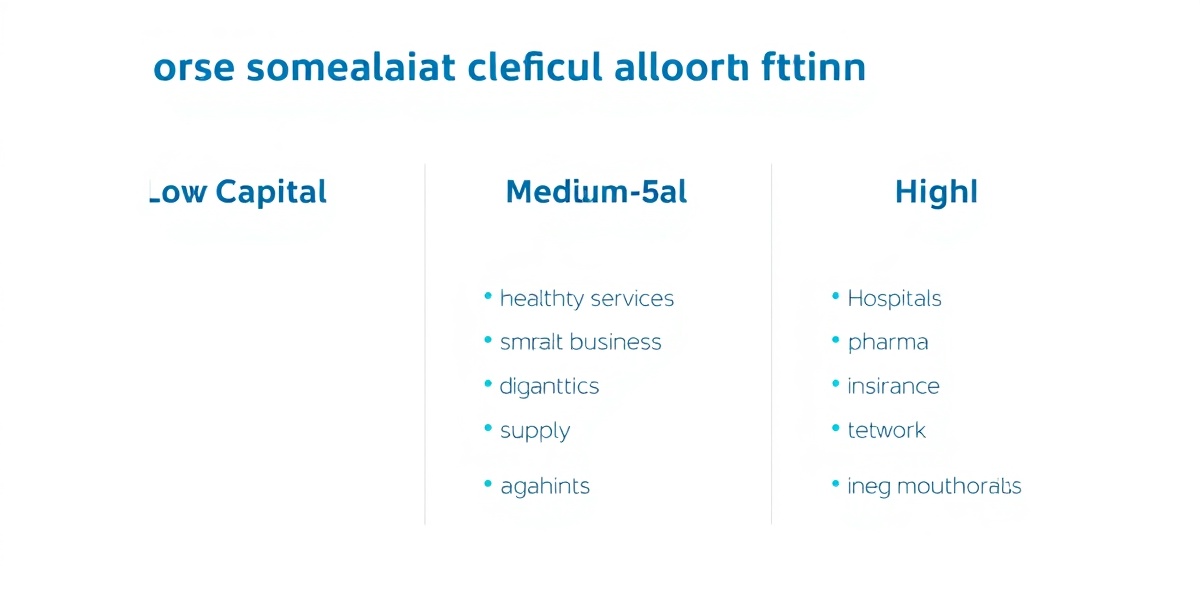
Low Capital (R10K – R500K)
- Health-related consulting and advisory services
- Medical support and staffing businesses
- Digital health tools and applications
- Healthcare education and training services
Medium Capital (R500K – R5M)
- Small clinics and medical practices
- Diagnostic centers and testing services
- Medical supply and pharmaceutical distribution
- Rehabilitation and specialist services
High Capital (R5M+)
- Hospital and healthcare facility development
- Pharmaceutical manufacturing
- Health insurance platforms
- Large integrated healthcare networks
Expand Service Locations
Replicate clinics and facilities in new geographic markets. Systemization enables efficient expansion.
Increase Patient Volume
Build brand trust and reputation. Word-of-mouth and referrals drive patient acquisition.
Improve Operational Efficiency
Standardized processes and protocols reduce costs. Efficiency improvement directly increases margins.
Build Strategic Partnerships
Partner with insurance companies, hospitals, and complementary services to expand reach.
Vertical Integration
Own supply chains, diagnostics, and insurance. Integration increases margins and patient control.
Add Service Lines
Expand offerings from basic care to specialized services and ancillary care. Increases patient lifetime value.
Standardized Processes
Healthcare outcomes improve when care delivery is standardized and systematized. The best healthcare operators use proven protocols and quality standards.
Repeatable Care Delivery
Successful clinics and hospitals use repeatable systems. When systems work, they can be replicated to new locations without losing quality or efficiency.
Scalable Models
Unlike consulting or professional services, healthcare systems can scale. A proven clinic model can be replicated 10, 100, or 1,000 times across different locations.
Key lesson: Systems create efficiency, and efficiency drives profitability. The best healthcare fortunes are built by operators who systematize care delivery.
Digital health is reshaping healthcare delivery and creating new wealth-building opportunities:
Telemedicine
Remote consultations eliminate geographic barriers and reduce operational costs. Enables global patient reach with minimal infrastructure.
AI in Diagnostics
Artificial intelligence improves diagnostic accuracy and efficiency. Creates competitive advantages and better patient outcomes.
Health Apps & Wearables
Patient monitoring and preventive health technology. Creates recurring revenue and long-term patient engagement.
Data-Driven Care
Health data analytics improve patient outcomes and reduce costs. Data becomes a valuable asset for optimization and research.
Digital health is not replacing physical care—it is enhancing it. The largest healthcare opportunities combine digital technology with clinical excellence.
South Africa's Unique Position
- Private Healthcare Demand: Strong private healthcare sector with growing middle class demand
- Public System Gaps: Public healthcare system limitations create opportunities for efficient private solutions
- Pharmaceutical & Manufacturing: Established pharmaceutical manufacturing base and distribution networks
- Medical Expertise: World-class medical professionals and research capabilities
- Regional Leadership: Opportunity to serve African markets with South African healthcare platforms
Global Expansion Strategy
- Use South African market as proof-of-concept
- Develop scalable healthcare business models
- Expand to African markets and emerging economies
- Build digital platforms with global reach
- Maintain regulatory compliance in all jurisdictions
South Africa offers both local market opportunity and a launchpad for building African and global healthcare enterprises.
Clinic Networks
Multi-location clinics with standardized operations. High-margin, scalable, and recurring revenue.
Hospital Groups
Integrated hospitals and healthcare facilities. Highest complexity but largest patient volumes and revenue.
Pharmaceutical Companies
Drug development and manufacturing. High margins but capital intensive and regulatory complex.
Medical Device Firms
Equipment and diagnostic technology. Recurring revenue through supplies and maintenance contracts.
Health Tech Platforms
Software and digital health solutions. Global reach, scalable, and low capital requirements.
Insurance & Financing
Health insurance and financing platforms. Recurring premium revenue and long-term customer relationships.
The billionaire-scale healthcare fortunes are built on consistent, disciplined principles:
- Build Scalable Systems: Create replicable models that work across locations and markets
- Focus on Patient Demand: Build around what patients need, not what is most profitable short-term
- Expand Networks: Scale from single location to multi-facility networks and integrated systems
- Vertical Integration: Own supply chains, diagnostics, and related services to control margins
- Reinforce Quality & Trust: Patient safety and outcomes build brand trust and loyalty
- Build Professional Teams: Scale requires professional management and governance
- Invest in Innovation: Digital tools and process improvements maintain competitive advantage
Billionaire healthcare fortunes are not built on aggressive profit-taking. They're built on trust, systems, scale, and long-term patient relationships.
How to deploy capital effectively in healthcare:
- High Upfront Investment: Healthcare facilities, equipment, and staffing require significant capital. Build financial reserves before scaling.
- Long-Term Return Focus: Healthcare returns materialize over years, not months. Patient relationships and reputation take time to build.
- Reinvestment into Infrastructure: Reinvest profits into facility improvements, technology, and additional locations.
- Efficiency Improvements: Capital invested in process improvements and technology yields high returns.
- Talent Acquisition: Invest in hiring and retaining the best doctors, nurses, and administrators. People are the key asset.
Healthcare offers enormous opportunity, but also significant challenges:
Heavy Regulation
Healthcare is heavily regulated. Licensing, accreditation, and compliance requirements are strict and ongoing.
High Operational Standards
Healthcare standards are non-negotiable. Patient safety and quality of care cannot be compromised.
Legal Liability
Medical malpractice liability is significant. Professional liability insurance is essential but expensive.
Capital Intensity
Healthcare facilities and equipment are capital intensive. Undercapitalization is a leading cause of failure.
Long Timelines
Building patient relationships and business reputation takes years. Patience and staying power are required.
Key lesson: Healthcare requires discipline, responsibility, and compliance. Cutting corners leads to license revocation and catastrophic liability.
Ethical operations are not optional in healthcare—they are fundamental to long-term success and required by law.
Patient Safety
- Establish strict quality and safety protocols
- Regular training and compliance audits
- Transparent reporting of incidents and outcomes
- Continuous improvement in patient care
Ethical Treatment
- Treat all patients with dignity and respect
- Fair pricing and transparent billing
- Prioritize patient wellbeing over revenue
- Avoid conflicts of interest
Regulatory Compliance
- Strict adherence to all healthcare regulations
- Professional licensing and credentialing
- Data privacy and patient confidentiality
- Financial transparency and audits
Long-Term Trust
- Reputation is the most valuable asset
- Patient satisfaction drives referrals and growth
- Quality and safety attract talent and investment
- Trust enables scale and premium pricing
Ethical healthcare is not only the right thing to do—it is the most profitable strategy long-term. Trust enables scale, pricing power, and resilience.
Healthcare wealth is built through consistent service delivery, strong systems, and long-term patient relationships.
Systems Create Predictability
Standardized care delivery creates predictable outcomes. Systems allow replication and scaling across locations.
Scale Drives Profitability
A single clinic operates on thin margins. Multiple clinics with systemized operations achieve significant profitability.
Trust Enables Expansion
Strong reputation and patient trust enable rapid expansion. Referrals and brand reputation drive new patient acquisition.
Long-Term Relationships Generate Value
Long-term patient relationships create recurring revenue. Chronic disease management, preventive care, and wellness create lifetime value.
The world's largest healthcare fortunes (Mayo Clinic, Cleveland Clinic, UnitedHealth Group) were built on this principle: trust drives growth, systems enable scale, and scale creates wealth.
- Essential, High-Demand Industry: Healthcare demand is constant and growing. Every population needs healthcare.
- Multiple Entry Points: From small digital health tools to large hospital networks, there are opportunities at all capital levels.
- Systems and Scale Drive Growth: The most successful healthcare operators use systematized, repeatable models that scale.
- Trust Is the Ultimate Asset: Patient trust drives growth, referrals, and premium pricing more than any marketing tactic.
- Ethics and Compliance Are Critical: Healthcare wealth is sustainable only when built on strong ethics and regulatory compliance.
- Long-Term Focus Wins: Healthcare fortunes are built over decades, not quarters. Patience and consistency matter.
- Vertical Integration Creates Value: Owning multiple points in the value chain increases margins and patient control.
- Digital Innovation Enhances Care: Technology and digital tools are not replacing clinical care—they are making it better and more scalable.
Healthcare is just one of many wealth-building sectors covered in our educational guide series. Explore other industries, investment strategies, and capital allocation approaches:
Remote delivery of healthcare services through video, phone, or digital platforms. Reduces costs and increases access.
Services and tests that identify diseases or conditions. Includes lab tests, imaging, and pathology services.
Payment from insurance companies or government for healthcare services provided to patients.
Adherence to healthcare regulations, standards, and ethical requirements. Non-compliance creates legal liability.
Results and effectiveness of healthcare treatment. Better outcomes drive reputation and referrals.
Owning multiple stages of the healthcare value chain (clinics, diagnostics, pharmacy, insurance).
Production of drugs and medications. Highly regulated and capital intensive.
Equipment and technology used in healthcare diagnosis and treatment. Recurring revenue from supplies and maintenance.
Insurance products that cover healthcare costs for individuals or groups. Recurring premium revenue.
Group of affiliated healthcare providers and facilities working together to deliver coordinated care.
Government authorization to operate as a healthcare provider, pharmacy, or facility. Required for legal operation.
Total profit generated from a patient over their entire relationship with a healthcare provider.