From First Product to Global Brand & Distribution Empire
Food and beverage is one of the largest industries in the world. Every person consumes products daily, making demand constant and global.
This industry combines branding, distribution, operations, and scale — creating opportunities for long-term wealth. Some of the world's largest companies (Nestlé, Coca-Cola, McDonald's) were built in this sector, demonstrating its capacity to create multi-billion-dollar enterprises.
Every successful food and beverage product follows this flow from conception to customer:
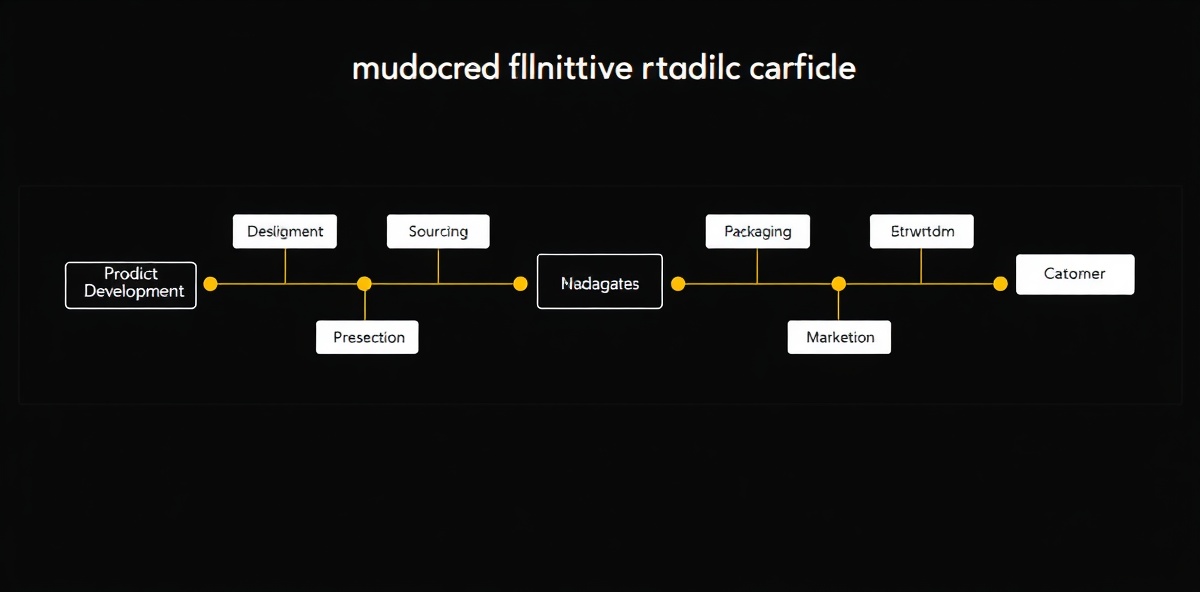
1. Product Development: Creating recipes, concepts, and products that customers want to buy repeatedly.
2. Sourcing & Production: Securing ingredients and manufacturing at scale with quality control and cost efficiency.
3. Packaging & Branding: Designing packaging that protects quality and communicates brand identity to consumers.
4. Distribution: Getting products to customers through retail stores, restaurants, online platforms, and wholesale channels.
5. Sales & Marketing: Driving demand through advertising, social media, promotions, and brand building.
6. Customer Retention: Building loyalty through consistent quality, taste, and customer experience to drive repeat purchases.
Understanding where profit comes from is critical to building wealth in this industry:
Key Insight: The biggest companies win through distribution + brand dominance. Owning shelf space and consumer preference creates defensible, long-term wealth.
Different business models create wealth at different scales:
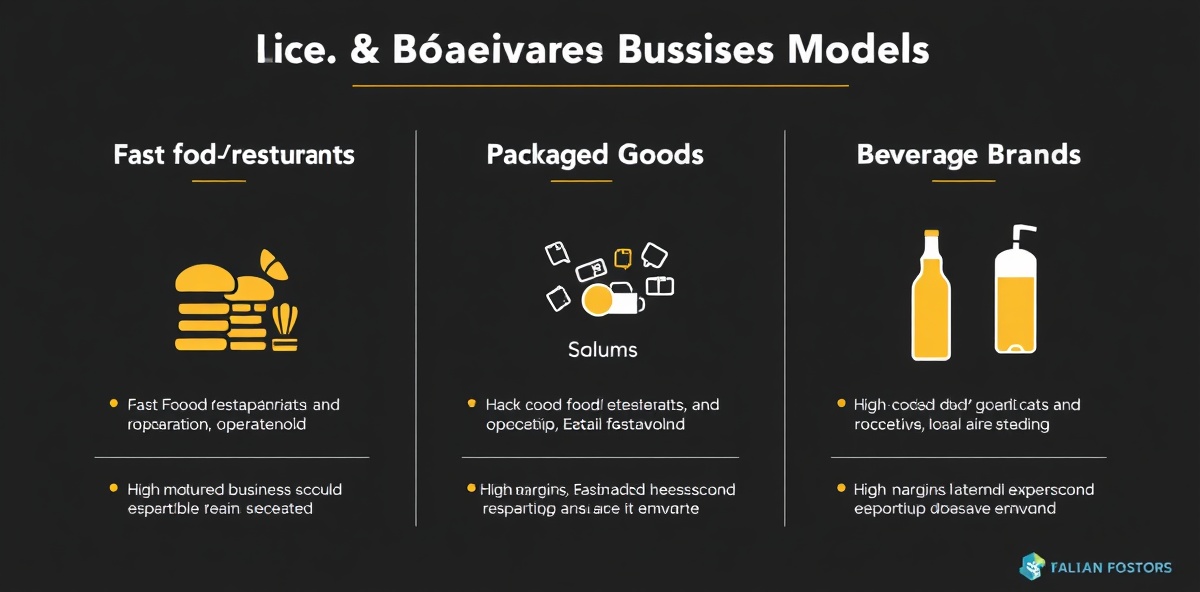
High volume, operational focus. Quick service with high throughput. Examples: McDonald's, Nando's, local chains. Scalable but labor-intensive.
Scalable consumer products sold in retail. Examples: snacks, cereals, sauces. High margins but competitive shelf space.
High margins, brand-driven. Examples: Coca-Cola, energy drinks, coffee brands. Strong consumer loyalty and international reach.
Scalable through replication. Franchisees fund expansion. Examples: KFC, Subway. Capital-efficient scaling model.
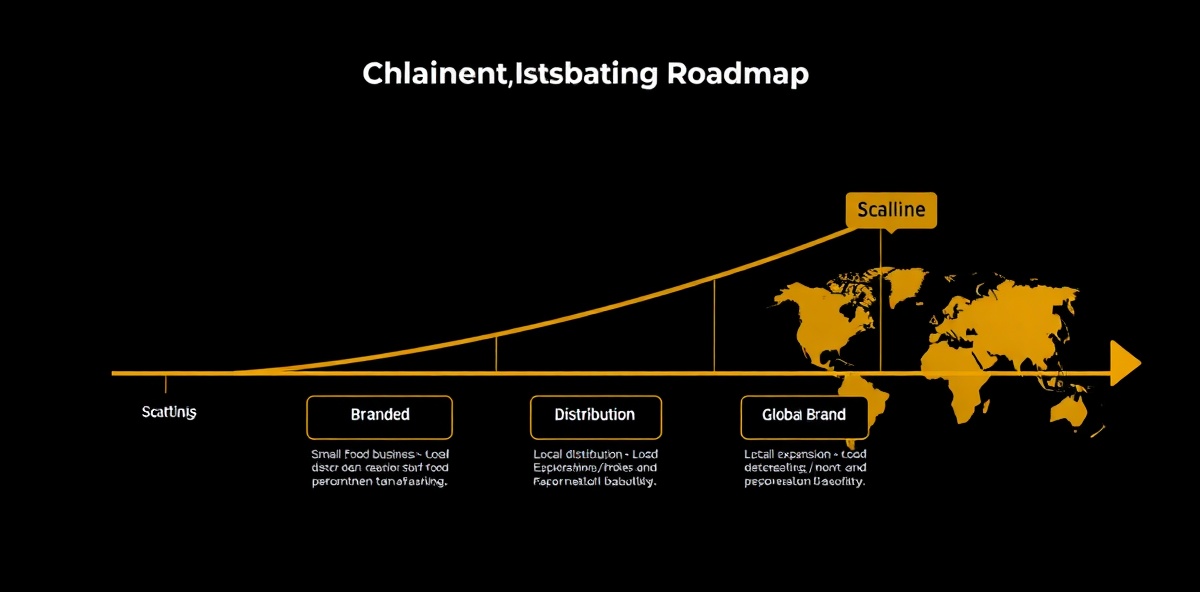
Different starting points lead to different wealth-building trajectories:
Goal: Learn the industry, build capital, test product-market fit.
Goal: Launch branded product, establish distribution channels.
Goal: Scale nationally and internationally, build empire.
Starting capital determines your initial strategy. The goal is to generate returns that fund your next phase:
Strategy: Asset-light, high-engagement business.
Strategy: Small-scale branded business.
Strategy: Large-scale production and expansion.
Scaling requires systematic expansion across multiple dimensions:
Distribution is the primary driver of success in food and beverage:
Shelf Space = Revenue: Every store has limited shelf space. Products occupying premium space sell better. The ability to secure and keep shelf space is the key to growth.
More Locations = More Sales: A product in 100 stores sells significantly more than a product in 10 stores. Distribution scale multiplies revenue exponentially.
Distribution Creates Barriers: Once a brand occupies shelf space, competitors struggle to displace it. This creates a durable competitive advantage and defensible profitability.
Distribution Enables Leverage: Products with strong distribution can command premium prices and negotiate better terms with suppliers.
Key Strategy: The best operators focus on distribution first, then optimize other aspects. Distribution is the constraint that limits growth.
Strong brands command consumer preference and premium pricing:
South Africa offers unique opportunities for food and beverage entrepreneurs:
These business models have proven ability to scale from millions to billions in revenue:
Franchisees fund expansion. Capital-efficient scaling. Examples: KFC, McDonald's. Proven highest-scale model.
Retail distribution model. High margins, scalable. Examples: Nestlé, General Mills. Requires strong distribution.
High-margin, global reach. Examples: Coca-Cola, Monster Energy. Strong brand loyalty and repeat consumption.
Chain restaurants across geographies. Scalable operations, consistent brand. Examples: Steers, Nando's.
Distribute products for other brands. Asset-light, high volume. Strong margins at scale.
Different models have different characteristics and wealth-building potential:
The world's largest food and beverage fortunes follow these consistent principles:
Invest in brand identity, marketing, and quality. Strong brands command premium pricing and consumer preference.
Secure shelf space and distribution channels. Control of distribution creates defensible competitive advantages.
Build efficient, large-scale production. Efficiency gains at scale drive margins and profitability.
Once domestic success is proven, expand internationally. Global brands are worth billions.
Build community and loyalty. Repeat customers have 30-40% higher lifetime value.
How you deploy capital determines your growth trajectory:
Building wealth in food and beverage requires understanding the real challenges:
High Competition: Food and beverage is one of the most competitive industries. Thousands of brands compete for shelf space and consumer attention.
Low Margins (Early Stages): Early-stage businesses often operate at thin margins. Profitability comes at scale, not in early stages.
Operational Complexity: Managing production, quality, food safety, and distribution is complex. Operational excellence is required.
Perishability: Food products have shelf lives. Managing inventory, expiration, and waste is critical to profitability.
Regulation & Compliance: Food safety, labeling, and health regulations vary by jurisdiction. Non-compliance creates legal risk.
Key Lesson: Execution and consistency determine success. This is not a get-rich-quick industry. It rewards disciplined, patient builders with operational excellence.
The strongest food and beverage companies are built with integrity and responsibility:
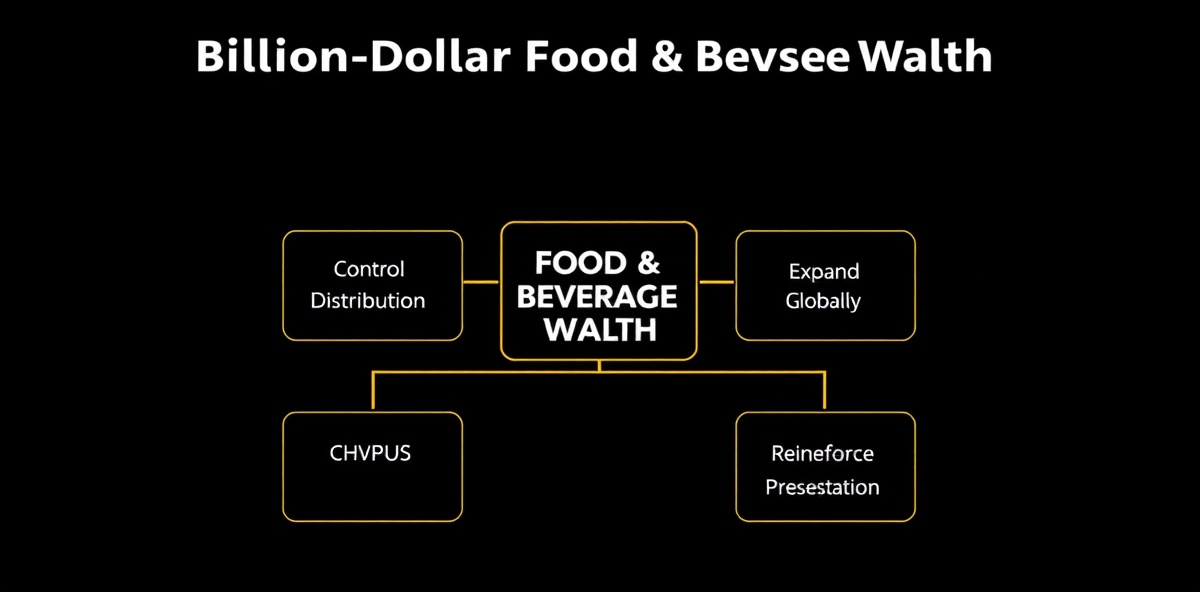
The highest-value food and beverage companies control all three elements:
Owning a trusted brand, controlling how products reach customers, and operating at scale creates long-term, defensible wealth. The most valuable companies have:
The goal: Build a brand customers love, distribute it everywhere they shop, and operate at scale. This combination creates billions in enterprise value.
Learn foundational strategies across industries. From finance and investments to energy, fashion, and business fundamentals.